
Residents of the South Plains are no strangers to dramatic skies and sudden hailstorms. In the aftermath of these intense West Texas storms, it is crucial for homeowners to know which steps to take to protect both their roof and their investment. While hail damage may sometimes look minor when viewed from the ground, unseen complications can lead to leakage, structural deterioration, and even voided warranties. Below, you’ll find a clear guide on how to respond after hail hits, including why professional roof inspections matter in the Lubbock area’s unique climate.
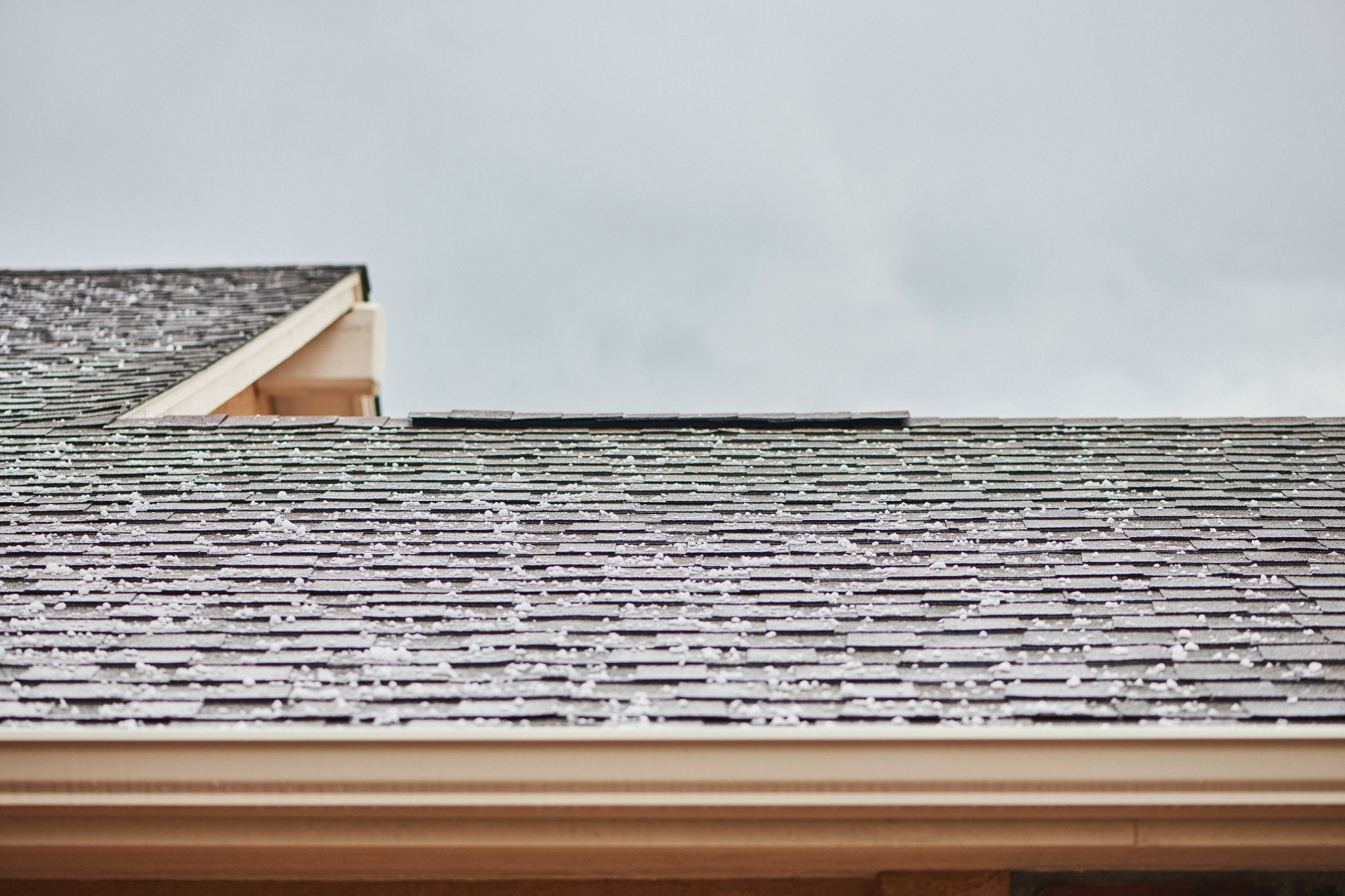
Recognizing Signs of Hail Damage
After a hailstorm, step outside once it is safe and look for immediate evidence of damage. Even pea-sized hail can impact your shingles or flashing if wind speeds are high. While you may notice obvious denting on metal flashing or gutters, more subtle signs can be easy to miss:
-
Bruised, cracked, or missing shingles
-
Accumulations of granules at the ends of downspouts
-
Damaged roof vents or skylights
Keep in mind, much of the real damage may only be apparent to a trained eye. In Lubbock’s high wind conditions, hailstones can loosen the seal between shingles without fully dislodging them, leaving your roof vulnerable to water intrusion in coming weeks and months.
Why Timely Inspections Matter in West Texas
Here in the South Plains, delayed action can quickly make a minor repair a major replacement. Moisture from hail-impacted shingles often infiltrates underlayment layers, affecting insulation and encouraging mold. Lubbock’s cycles of heat, wind, and strong sun speed up deterioration after a hailstorm. As a result, problems that do not seem urgent may escalate unexpectedly, leading to higher repair costs or insurance complications.
It’s also important to act quickly because most insurance policies have specific deadlines for filing hail claims, and many providers require documented, professional inspection of all hail-related roof damage.
Documenting and Reporting the Storm’s Impact
Before you call your insurance provider, take clear, date-stamped photos of what you see:
-
Shingle abrasions, chips, or missing sections
-
Visible dents in vents, gutters, and downspouts
-
Hailstones themselves, especially if larger than a quarter
Be thorough but careful; avoid walking directly on your roof after hail, as you might further damage compromised areas or put your safety at risk. Instead, photograph what you can from the ground or upper-level windows, and rely on reputable contractors for a close-up assessment.
Why a Professional Roof Inspection Is Essential
Many forms of hail damage go undetected without a detailed roofing inspection. Certified professionals use specialized tools to assess not just the surface but also underlying layers, looking for soft spots and leaks. Modern inspection techniques, including drones and infrared scans, help reveal issues invisible to the naked eye, which is why a DIY assessment is never enough after a severe West Texas hailstorm.
A qualified roof repair or storm damage restoration provider will also supply a clear, actionable report that you can share directly with your insurance company, streamlining the claims process and ensuring compliance with all policy requirements.
Schedule Your Hail Damage Roof Inspection With Clark’s Roofing & Construction
If you experienced a hailstorm in Lubbock, TX, don’t leave your roof’s health to chance. Schedule a roof inspection with a contractor who understands the challenges posed by West Texas weather. Call Clark’s Roofing & Construction at (806) 778-1281 or fill out the online form today to receive a professional evaluation and timely assistance from a local roofing company you can trust.